2026 maintenance playbook
Website Maintenance Checklist: Daily to Annual
The tasks, schedule, and proof to check daily, weekly, monthly, quarterly, annually, and after releases. Built for teams that cannot afford broken forms, failed updates, or silent performance decline.
Website maintenance checklist at a glance
- Daily: let automated monitoring watch uptime, certificate errors, security alerts, and critical customer paths.
- Weekly: review uptime alerts, failed forms, error logs, security notices, and critical updates.
- Monthly: run updates in staging, test a backup restore, review access, compare performance trends, and record every release.
- Quarterly: test rollback, review vendor and extension ownership, audit tracking scripts, remove stale access, and rank the improvement backlog.
- Annually: review domain and certificate renewal, hosting capacity, recovery contacts, licenses, data retention, and the maintenance agreement.
- After every release: retest forms, checkout, analytics, redirects, search templates, and integrations tied to leads or revenue.
- Assign one person responsible and keep proof for each check. A maintenance report without a tested restore, release note, or alert record does not show that the control works.
Why this checklist exists
Website maintenance is a risk control system your team can audit.
Most teams say they have maintenance covered. Then a plugin update breaks checkout, a form stops sending leads, or performance drops for three months before anyone notices.
The problem is rarely effort. The problem is operating model. Maintenance work is often fragmented across freelancers, agencies, and internal teams without clear release discipline.
This checklist is built for revenue-linked websites. It turns maintenance tasks into a cadence your team can verify instead of a report everyone skims.
If you need implementation support, this is the same operating model we run in our professional website maintenance service.
Website maintenance is a risk control system your team can audit.
Task cadence
Website maintenance tasks from daily monitoring to annual review.
| Cadence | Tasks | Owner | Proof |
|---|---|---|---|
| Daily | Monitor uptime, certificate errors, security alerts, and the customer paths that create leads or revenue. | Automated monitoring with an escalation contact | Alert history available. Escalation path tested. |
| Weekly | Check uptime alerts, failed forms, error logs, security notices, and pending critical updates. | Assigned maintainer | Alert log reviewed. Critical path checked. |
| Monthly | Run staged updates, test backups, review access, compare performance trends, and update the change log. | Engineer plus marketing owner | Release note, restore check, and performance delta recorded. |
| Quarterly | Test rollback, review vendor and extension ownership, audit tracking scripts, prune stale access, and rank the next improvement backlog. | Technical owner with decision-maker | Risk list updated. One weak control assigned. |
| Annually | Review domain and certificate renewal, hosting limits, licenses, recovery contacts, data retention, and supplier scope. | Technical and business leads | Renewal dates, contacts, and scope recorded for the next year. |
| After every release | Retest forms, checkout, search templates, analytics events, redirects, and integrations that move revenue or leads. | Release owner | Critical flows passed before the release is closed. |
Checklist
12 controls every serious maintenance model should cover.
1. Update governance
Define what gets updated, when, and with which approval path. Include WordPress core, plugins, themes, dependencies, and infrastructure components.
2. Staging-first validation
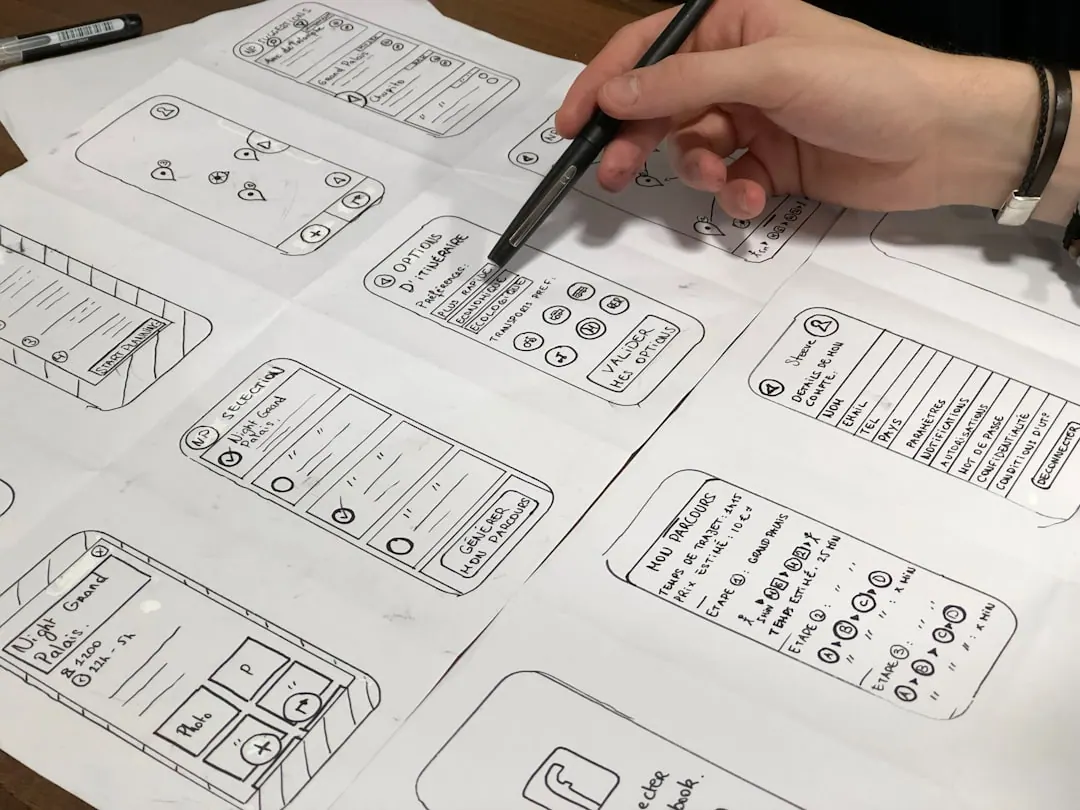
No production-first updates. Every release is tested in staging against critical user flows: checkout, forms, login, and integrations.
3. Rollback protocol
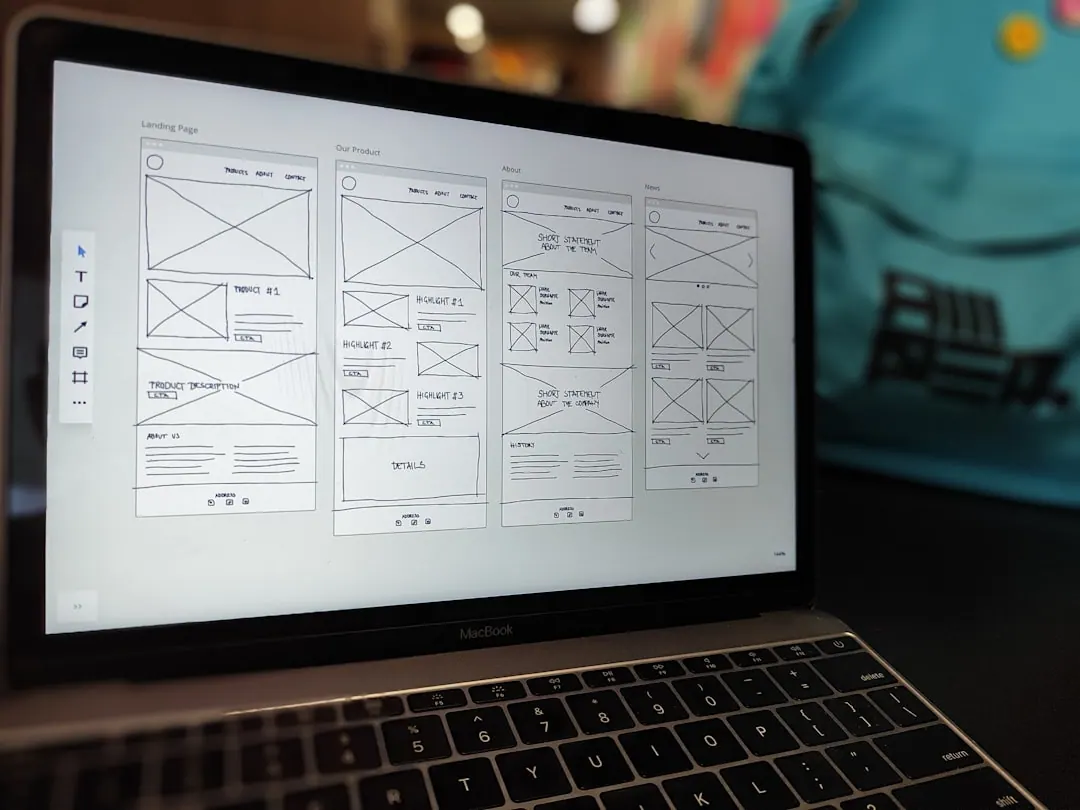
Every update has a rollback path. Team members should know exactly how to recover service if a release fails.
4. Backup verification
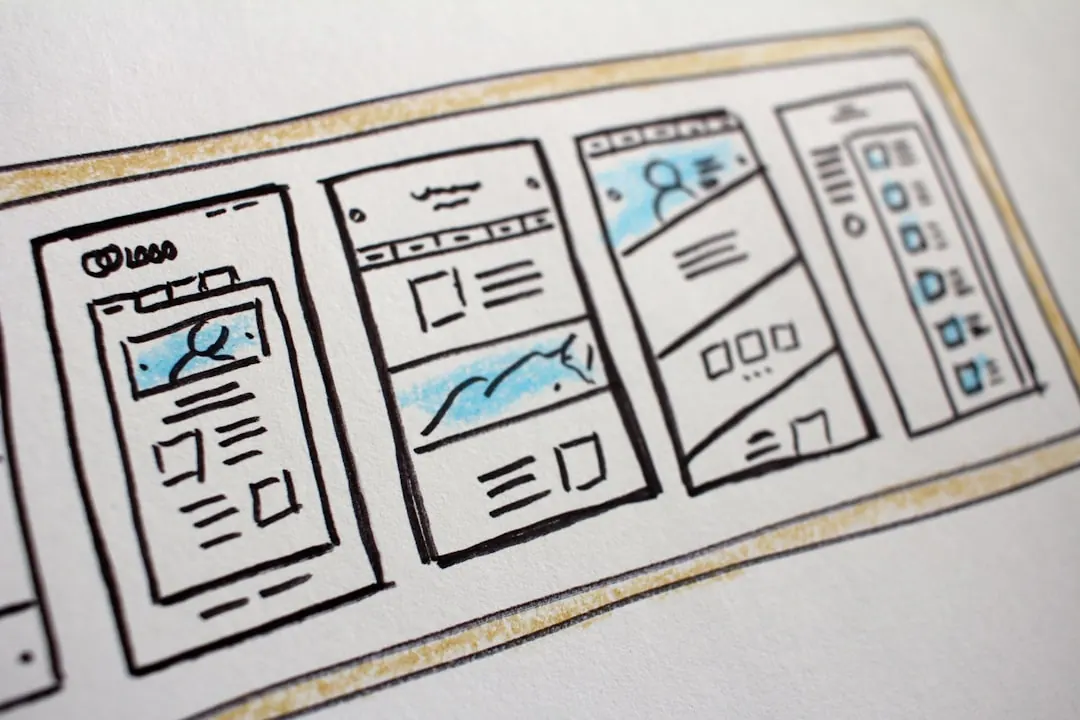
Backups are not enough. Restore tests must prove data and system recovery works under pressure.

5. Security patching cadence
Security updates follow a risk-based cadence with immediate triage for critical CVEs. Critical vulnerabilities should be triaged immediately.
6. Monitoring coverage
Track uptime, error spikes, latency, and critical page behavior. Alerts should be mapped to people responsible.

7. Incident runbooks
Define severity levels, communication rules, escalation contacts, and expected response windows by incident class.

8. Performance regression checks
Measure and trend key metrics over time. Pair maintenance with website performance monitoring so speed does not decay silently.

9. Access control hygiene
Review admin access, plugin permissions, secrets, and third-party accounts regularly. Remove stale access quickly.

10. Change logging
Maintain a complete log of updates, incidents, interventions, and decisions. This reduces diagnosis time during failures.
11. Monthly operating review
Report what changed, what failed, what risk increased, and what needs action next month.

12. Improvement backlog
Reserve capacity for low-risk fixes and quality improvements so maintenance includes planned improvements alongside reactive fixes.
WordPress-specific checks
WordPress maintenance fails when release workflows are too casual.
WordPress sites often break when extensions conflict without a clear release path. An extension can pass unit assumptions but conflict with your theme, custom fields, forms, or checkout integrations.
Strong WordPress maintenance means testing functional outcomes after every release. Run form submissions, payment flows, indexing-critical templates, and permission-sensitive admin paths in staging.
If your setup has grown through multiple vendors, align maintenance with periodic architecture cleanup through WordPress consulting and implementation.
Security should also be integrated into maintenance rhythm. Read how we deliver website security hardening around patching, access controls, and release protocols.
Compliance next step
Get a compliance check on: Website maintenance checklist
Send us where your site stands today. We reply with the risks that carry real exposure.
Common failure patterns
What usually goes wrong in low-maturity maintenance models.
✓
Updates are postponed because no one owns release risk.
✓
Backups exist but restore procedures were never tested.
✓
Performance drops slowly and no one is accountable for trend monitoring.
✓
Incident response starts with finding context: what changed, who was affected, and when.
✓
Multiple agencies touch the stack with no change log.
✓
Maintenance reports should show risk movement: what got safer, what still needs work.
Download
Get the checklist file, unlocked after form submit.
Free resource
Website maintenance checklist
Fill this short form and download a printable checklist your team can run in quarterly operating reviews.
Loading form…
Action
Run this checklist quarterly. Tighten one weak control per cycle.
Reliable maintenance is not one decision. It is repeated execution under pressure. Quarterly checklist reviews create the discipline most teams miss.
If your team needs direct engineering ownership for this model, start with our professional website maintenance service and map risk priorities in the first month.
Website maintenance FAQ
Questions teams ask before setting a maintenance schedule.
What should a website maintenance checklist include?
Include uptime and form checks, staged software updates, backup restore tests, security patching, performance monitoring, access reviews, change logs, rollback tests, analytics checks, and one person responsible for every failure path.
How often should a website be maintained?
Monitor uptime, certificate errors, and critical paths every day. Review alerts and forms weekly. Run staged updates, restore tests, access reviews, and performance comparisons monthly. Test rollback and review vendor risk quarterly. Review renewals, licenses, retention, and supplier scope annually.
What should be checked after every website update?
Retest the paths that affect revenue or customer access: forms, checkout, login, search templates, analytics events, redirects, and external integrations. Record the result before closing the release.
Who should own website maintenance?
One technical owner should be accountable for the schedule, release evidence, alerts, and escalation. Marketing or product can verify business-critical paths, but ownership should not be split across vendors without one person holding the full record.
Written by
Vineet Talwar
Co-founder, Tech & Operations at Some Tech Work. WordCamp speaker across Europe and Asia, and host of the WP Shoutout podcast.
Start here
Ready to talk.Book a short diagnostic.
Tell us what needs fixing
We read every brief and reply within one business day.
Prefer to talk first?or request a tech stack audit →or email us directly →
Not sure where to start? Send the stuck decision, workflow, or page. We will say whether you need a diagnostic call, a tech stack audit, or a different first step.