Your systems don't share data. Orders fall through.
We connect your CRM, billing, warehouse, and support tools so information moves without a human copying it between tabs.
Your team copies data between systems. Your tools do not talk to each other. AI pilots stall before reaching customers. We fix all three, with one team from start to launch.

We start with the boring parts. Data moving between systems, triggers that actually fire, and a clear path when something falls outside the rules. No new platform to learn. We work inside what you already have.
Most AI projects look fine in a demo. They break when real volume shows up, or when an edge case nobody thought about lands in an inbox with no next step. We build for week three, when volume spikes and exceptions need a routed path with a response target.
Usually it is the same few places: the sales team updating the CRM by hand, support answering repeat questions, finance pulling numbers from five spreadsheets, marketing waiting on IT for a connection. If that sounds like your Monday, we have done this before.
Four ways we typically tackle it: Integrations & APIs to get systems talking, workflow automation for the repeat tasks, AI inside existing tools where your team already works, and AI chatbots for websites when visitors need answers, initial screening, or a handoff before your team replies.
The full AI picture sits on the overview page. WordPress-specific work is on the WordPress agency page. If you need the strategy layer first, Tech Strategy & Consulting is the place to start.
We connect your CRM, billing, warehouse, and support tools so information moves without a human copying it between tabs.
Order intake, supplier routing, approvals, status updates: automated where volume justifies it, with a routed path for anything that needs judgment.
Your CRM, helpdesk, and internal docs get AI-assisted drafts and answers. Tested against real content before it touches a customer.
Website-trained assistants answer repeat questions, check if visitors are a good fit, and hand off to a human when the conversation needs judgement.
Demo day is easy. Week three is when volume spikes, AI spend creeps up, or a queue backs up with nobody watching. We document what happens when things go wrong, before launch.
Good fit
Sales teams copying data into CRM by hand. Support teams answering the same ten questions. Finance teams assembling reports from five spreadsheets. Marketing teams waiting on IT to connect the new tool. If that describes your week, this is the right conversation.
Better to clarify first
If you need a deck to justify a vendor you already picked, or a twelve-month AI programme with no live date, we will name the safer first step and save everyone the quarter.
What broke
What we built
What moved

home-music-teachers.de · .at · .ch · .nl (Dutch + English)
↗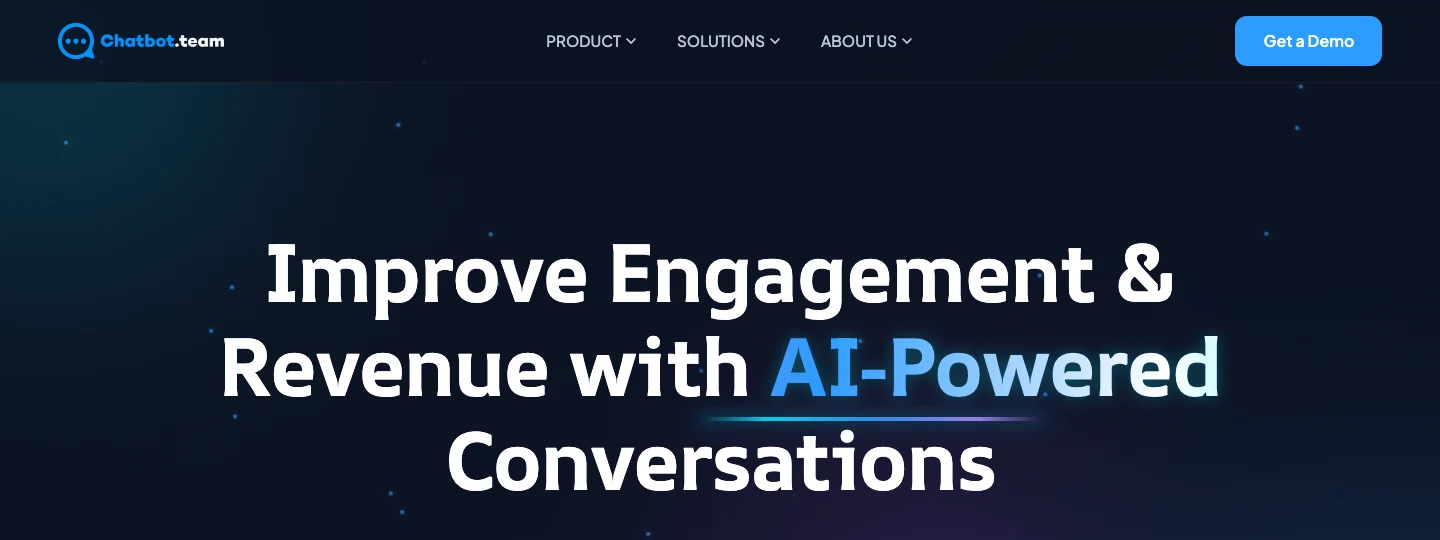
Conversational AI vendor. full site relaunch and marketing page system for sales enablement.
↗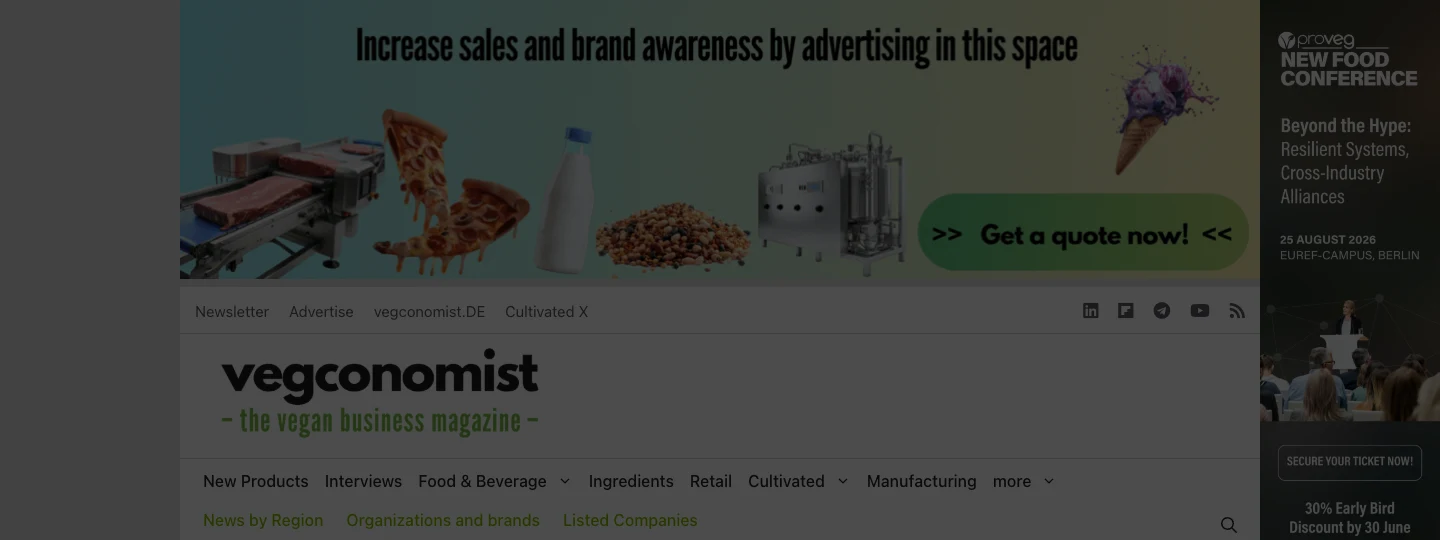
vegconomist.com · vegconomist.de · vegconomist.fr · vegconomist.es · cultivated-x.com
↗A Germany-specific workflow for XRechnung, ZUGFeRD, validation, approval, accounting handoff, and exceptions.
Production price ranges, pilot traps, and an editable opportunity scorecard.
The commercial solution for teams moving data and decisions by hand.
Where no-code tools hold, where custom services are justified, and what operations inherits.
We map how the work runs today, connect the tools, build the automated path, and leave you with reporting on volume, cost, and reliability. Same team from start to finish.
A first working automation typically goes live in ten to twenty business days when system access and a test environment are already in place.
We scope only use cases with clear owners, measurable success criteria, and a date for going live. If those conditions are missing, we stop before build starts.
We start by watching how the work actually runs: which tasks repeat, how long they take, where errors show up. Then we wire triggers, data moves, exception handoffs, and monitoring on top of tools you already use. First working automation typically goes live in 10 to 20 business days. One person stays in the loop for anything requiring judgment.
We build a connection layer that works with your existing systems without changing them. The automation connects through this layer. Your existing system stays as it is. We write down what needs to change when you are ready to upgrade, but nothing breaks in the meantime.
We add AI features directly to your CRM, helpdesk, or internal knowledge base. Before touching real customers, we run tests to confirm AI answers still work correctly, set spending limits per team, and set rules for what personal data the AI can see. You get AI-assisted drafts and answers inside the tools your team already uses, with no new platform to learn.
Tell us what needs fixing
We read every brief and reply within one business day.
Prefer to talk first?or request a tech stack audit →or email us directly →
Not sure where to start? Send the stuck decision, workflow, or page. We will say whether you need a diagnostic call, a tech stack audit, or a different first step.