Angular interfaces that survive the next release cycle
We build and modernise Angular apps with clear module boundaries and a written outcome. Accessibility, performance, and GDPR sit in the same scope as the feature work.
- Component and module maps before feature tickets
- Accessibility and keyboard paths in the build
- Performance budgets on the screens that matter













UI engineering, with release criteria
Angular work fails when every feature invents its own state and module rules. We agree structure, testing hooks, and the success metric before the first screen ships.
If a lighter React component system fits better, we say so early. See also React and frontend engineering.
Upgrade work is sequenced behind business-critical routes. Cosmetic refactors wait until the app is on a supported major.
What we check before an Angular delivery
- Version and upgrade pathCurrent Angular major, RxJS, and dependency lag are mapped to a realistic upgrade plan.
- Module and lazy-load mapRoute bundles and shared modules are checked so first load does not drag unused features.
- Forms and validationCritical forms get accessibility and error-state review before new features are added.
- CI and quality gatesUnit tests, lint, and build budgets that already exist are kept; missing ones are scoped explicitly.
Selected work with commercial stakes
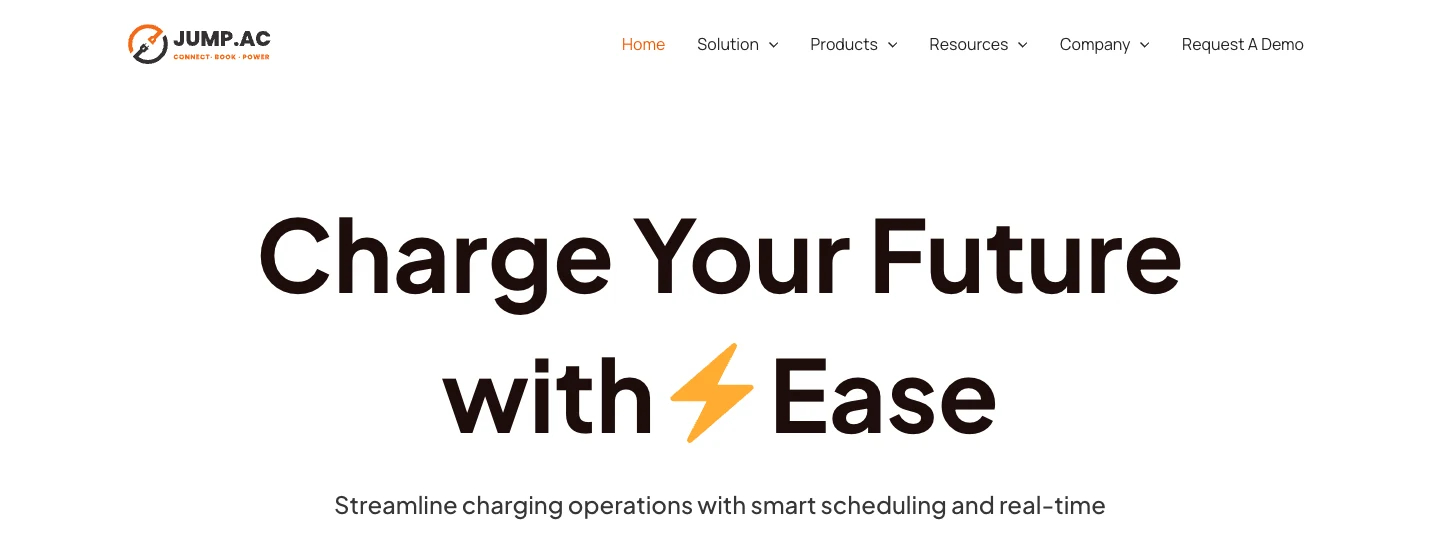
Discovery and launch on a production stack
User interviews ran in parallel with the build so the site matched what buyers asked for.

Four-market stack under one TechOps lead
Fractional CTO across vegconomist markets plus Cultivated-X: updates, adops, performance, and incident response.
Relaunch study before vendor lock-in
Requirements, localisation, and vendor-scope advice for a multi-market manufacturer relaunch.
From brief to an Angular UI your team can own
Screens and outcomes
We lock which flows and metrics count before component work starts.
Module and state map
Shared UI, lazy boundaries, and accessibility rules written down.
Interface engineering
Build against performance and a11y budgets. No decorative libraries without an owner.
Integrations and GDPR
API hooks, analytics, and consent behaviour with a written data map.
Launch and handover
Staging QA, docs for key modules, and a short runbook for your engineers.
Angular work we take on
Application UI builds
Dashboards, account areas, and product flows tied to a user outcome you already measure.
Component systems
Reusable Angular UI with documented inputs and ownership so new screens reuse existing patterns.
Modernisations of legacy Angular
Upgrade paths and slice-by-slice replacement so production stays live during the change.
Performance and a11y recovery
Find heavy bundles and focus traps, then fix what fails users and Core Web Vitals.
When Angular is the right call
- You already run Angular and need scoped features or a modernisation path
- Accessibility and performance matter on the same delivery
- You want GDPR-aware analytics and third-party scripts in scope
- You only need a static brochure site with no application owner
- You want unlimited hourly UI tinkering without a written scope
- You are choosing a frontend stack from scratch and React or Next.js fit better
Angular questions
Do you modernise older Angular versions?
Yes. We plan upgrade slices, dependency risk, and cutover so production stays live. Open-ended rewrite retainers without exit criteria are a poor fit.
Angular or React?
Do you build design systems in Angular?
We prefer a small, documented component set tied to real screens. Pure design-system theatre without a product owner is usually a poor fit.
How do you handle GDPR on Angular apps?
Consent, processors, and cookie behaviour are part of the build scope. Marketing tags stay behind consent where required, with vendors listed in the data map.
Where are you based?
Registered in Wiesbaden. Discovery and reviews can happen in person in the Rhein-Main region; delivery runs in structured cycles.
What do you finish in week one on Angular?
Supported major status, critical route inventory, upgrade blockers, and who owns CI for the app.
Do you polish UI before upgrading the framework?
No. Unsupported majors are sequenced first. Cosmetic refactors wait until the app is on a supported release.
Nearby stacks and services
Technologies: WordPress, Shopify, WooCommerce, Webflow, TYPO3, Drupal, Pimcore, Next.js, React, Frontend engineering, Laravel, PHP. All technologies →
Services: Websites & WordPress, WordPress agency, SEO for B2B, AEO & GEO for AI search, Website relaunch, Technical compliance, AI & automations.
Office in Wiesbaden

Hans-Böckler-Str. 76
65199 Wiesbaden
Ready to talk.Book a short diagnostic.
Tell us what needs fixing
We read every brief and reply within one business day.
Prefer to talk first?or request a tech stack audit →or email us directly →
Not sure where to start? Send the stuck decision, workflow, or page. We will say whether you need a diagnostic call, a tech stack audit, or a different first step.