What is included in Discovery & information architecture?
A scoped read of how things work today, a written plan you can approve, and delivery checkpoints you can inspect. We do not hand you a deck and disappear.
Two weeks of research that prevents six months of rework. We map what your visitors actually need before a single page is designed.
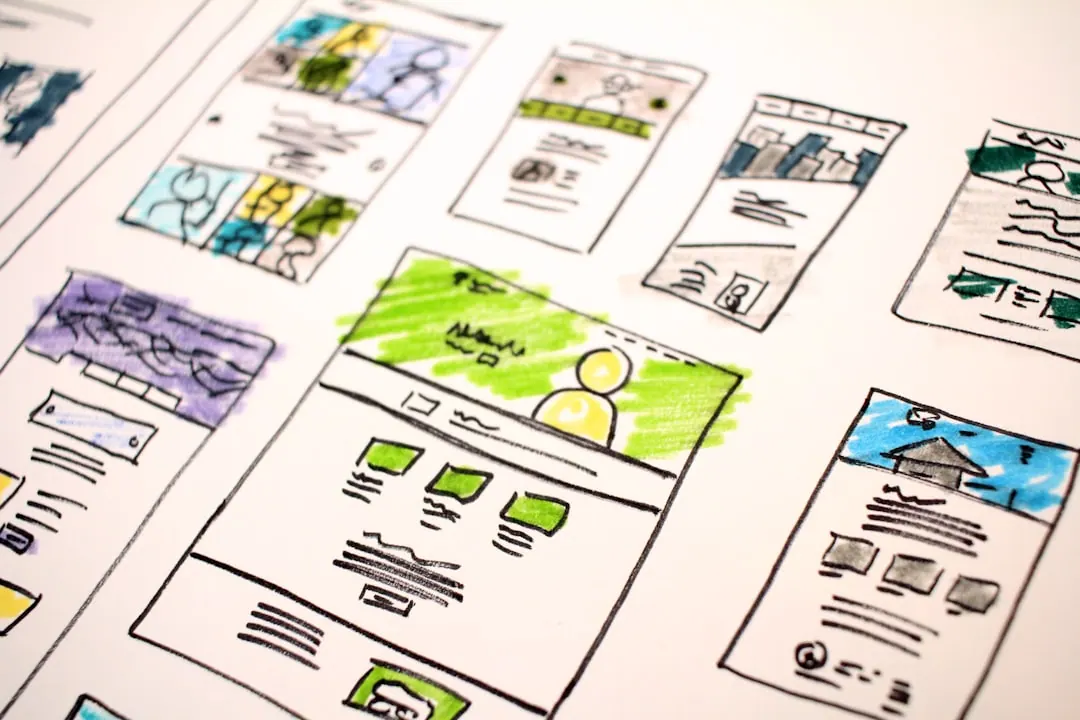
Templates that fight the content. Navigation that mirrors internal org charts instead of how customers search. We catch those mismatches before they become change orders, the same gap we cover in UX & Product Design.
The document at the end of week two is what design, build, and QA reference when scope creeps.
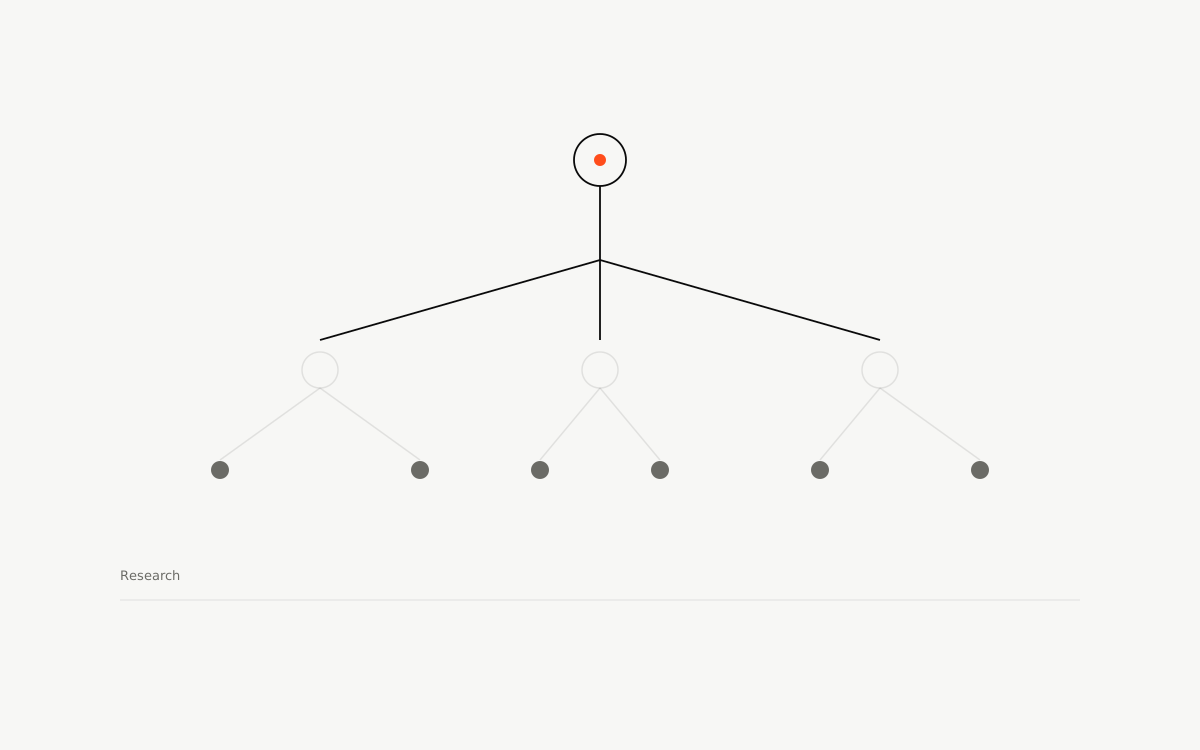
Search queries, exit pages, device mix. Evidence instead of the loudest voice in the workshop.
Edge cases documented upfront: legal, investor relations, multilingual markets, with owners before UAT starts.
Listed approvers per track. If consensus is impossible, we document the fork and the cost of each path.
These are the checkpoints we sign off before the next phase ships. Same criteria on every lane.
A scoped read of how things work today, a written plan you can approve, and delivery checkpoints you can inspect. We do not hand you a deck and disappear.
Most first delivery cycles run two to six weeks. Access to systems, decision speed, and any compliance sign-off are usually what moves the date.
We agree the number before build starts: hours saved, error rate, conversion lift, uptime, or cost avoided. If we cannot name it, we do not scope it.
One person who can say yes on budget and one person who knows how the work actually runs. That keeps decisions fast and handoffs short.
Tell us what needs fixing
We read every brief and reply within one business day.
Prefer to talk first?or request a tech stack audit →or email us directly →
Not sure where to start? Send the stuck decision, workflow, or page. We will say whether you need a diagnostic call, a tech stack audit, or a different first step.