What is included in Legacy system connectors?
A scoped read of how things work today, a written plan you can approve, and delivery checkpoints you can inspect. We do not hand you a deck and disappear.
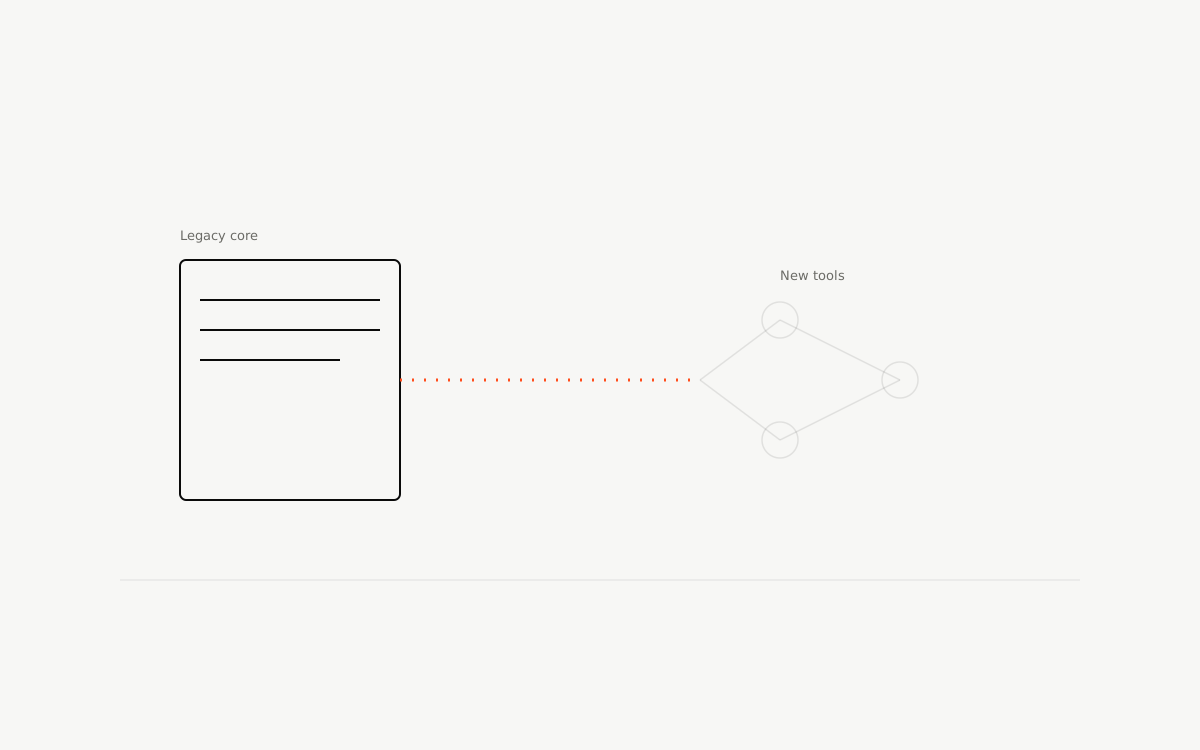
Your old system works. The problem is nothing else can talk to it. We build the bridge around it without disrupting what is already running.

We time-box discovery on old systems, document assumptions, and never promise magic. Sometimes the right answer is a custom integration, a thin layer in front of a stable core when rewrite risk is too high.
If replacing the core would freeze the business, we do not spec a replacement. A full technical due diligence pass tells you which is which before you commit budget.
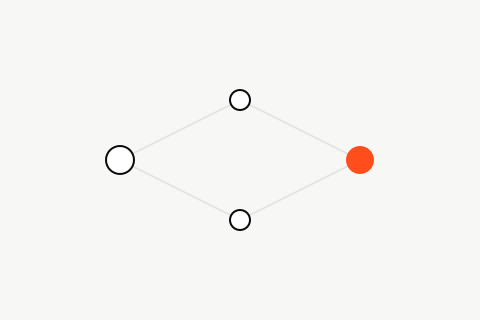
Start with reporting and visibility. Mutations earn their place after behaviour is understood.
Jobs pause when the upstream team says they will. Fewer false incidents.
When the mainframe sneezes, ops can still ship pallets. Pride never blocks revenue.
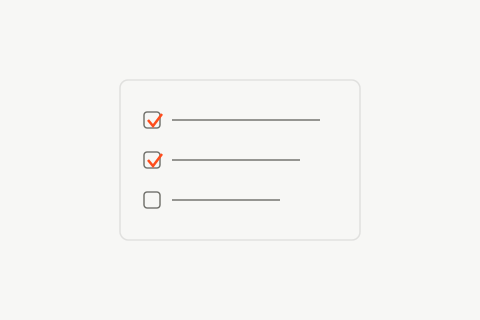
These are the checkpoints we sign off before the next phase ships. Same criteria on every lane.
A scoped read of how things work today, a written plan you can approve, and delivery checkpoints you can inspect. We do not hand you a deck and disappear.
Most first delivery cycles run two to six weeks. Access to systems, decision speed, and any compliance sign-off are usually what moves the date.
We agree the number before build starts: hours saved, error rate, conversion lift, uptime, or cost avoided. If we cannot name it, we do not scope it.
One person who can say yes on budget and one person who knows how the work actually runs. That keeps decisions fast and handoffs short.
Tell us what needs fixing
We read every brief and reply within one business day.
Prefer to talk first?or request a tech stack audit →or email us directly →
Not sure where to start? Send the stuck decision, workflow, or page. We will say whether you need a diagnostic call, a tech stack audit, or a different first step.